From Data To Diagnosis: Apps That Predict Sickness
In today’s digital world, healthcare is no longer limited to hospitals and clinics. Your smartphone and smartwatch have transformed into one.
Author:Daniel BarrettJan 08, 2026368 Shares122.6K Views
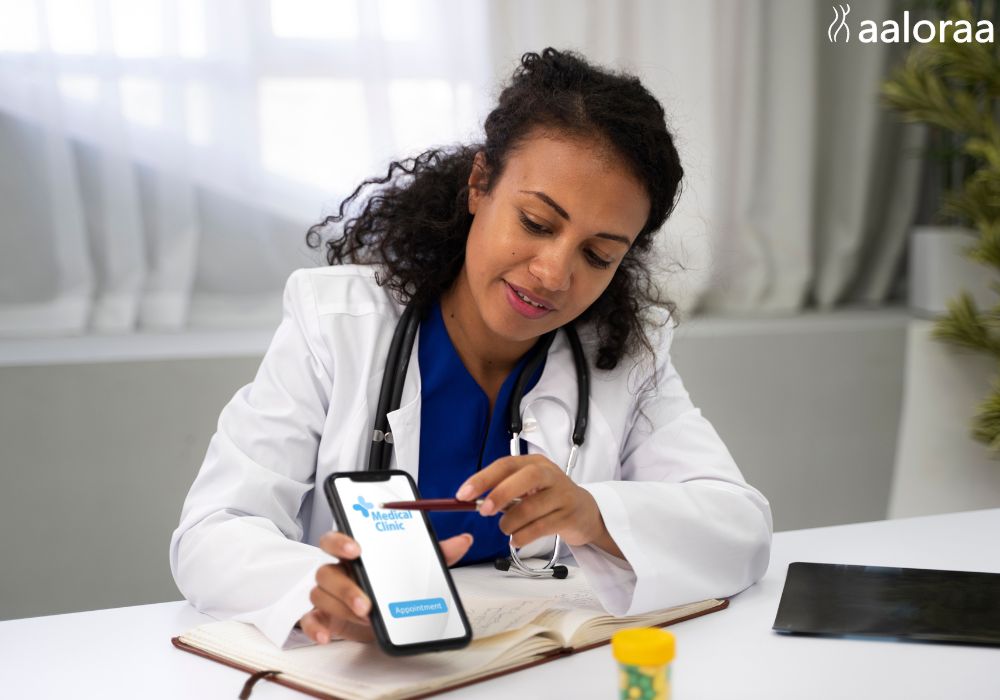
In today’s digital world, healthcare is no longer limited to hospitals and clinics. Your smartphone and smartwatch have transformed into one. They are quietly becoming powerful health monitors. They spot early signs of sickness before you feel unwell.
Health apps now track subtle changes in your body. These include sleep disruptions, elevated heart rate, or reduced recovery. These apps use AI to flag potential issues. They do not diagnose diseases. But they act as early warning systems. They help users take timely action. Health apps have shifted healthcare from reaction to prevention.
The Significance Of Early Detection Of Illness
Most illnesses develop gradually. The body sends out quiet signals long before visible symptoms appear. According to insights shared by Mumbai call girlson personal wellbeing, it can be slight fatigue, restless sleep, or increased stress levels. These signals can lead to delayed treatment if ignored. It can cause more severe illness and longer recovery times.
Early detection enables people to rest. They seek medical advice before conditions worsen. They adjust their routines and improve their nutrition. Some individuals manage chronic illnesses, high stress, or intense physical activity. Early alerts can significantly improve long-term health outcomes. They also enhance quality of life.
How Health Apps Detect Early Signs Of Sickness
Health apps work by collecting continuous data over time. They do not rely on one-off measurements. They analyze metrics such as HRV, sleep quality, body temperature trends, and daily movement. These are used to establish a personal baseline. Artificial intelligence then identifies deviations from this normal pattern. For example, an app detects consistently elevated heart rate and poor sleep. This may suggest immune stress or an oncoming infection. These apps focus on trends, not single-day fluctuations. This way, insights become more personalized and reliable.
Apps That Help Spot Illness Early
1. WHOOP
WHOOP is widely used by athletes and fitness enthusiasts. As discussed by Pune call girlsin the context of personal wellbeing tools, it helps track recovery, strain, and sleep. WHOOP monitors key heart metrics and sleep performance. This helps detect early signs of illness. Users receive alerts days before feeling sick. It prompts them to rest and recover early.
2. Oura Ring
The Oura Ring tracks sleep stages, body temperature trends, heart rate, and recovery scores. Do not ignore slight increases in body temperature or decreases in sleep quality. They can even trigger alerts. Oura drew attention for identifying early signs of viral infections. It detects subtle physiological changes.
3. Apple Health & Apple Watch
Apple Health integrates data from the Apple Watch. It monitors heart rate, sleep, activity, and mobility. It has features like irregular heart rhythm notifications and trends in resting heart rate. These can indicate potential health issues. The ecosystem provides valuable long-term insights.
4. Fitbit Health Metrics
Fitbit tracks resting heart rate, breathing rate, skin temperature variation, and sleep patterns. It has a “Health Metrics Dashboard.” It highlights deviations from your normal range. This may indicate stress, illness, or fatigue before symptoms appear.
5. Ada Health
Ada is an AI-powered symptom assessment app. It helps users understand possible causes of early discomfort. It also detects unusual symptoms. Ada combines user-reported data with medical intelligence. It offers guidance on whether professional care is required.
6. K Health
K Health uses anonymized clinical data and AI. Similar to observations made by Jammu call girlsabout accessible healthcare tech, it assesses symptoms and provides early insights. It helps users understand their symptoms. They can easily find whether they require medical attention. That makes it useful when early signs feel confusing or unclear.
The Future Of Early Illness Detection Through Apps
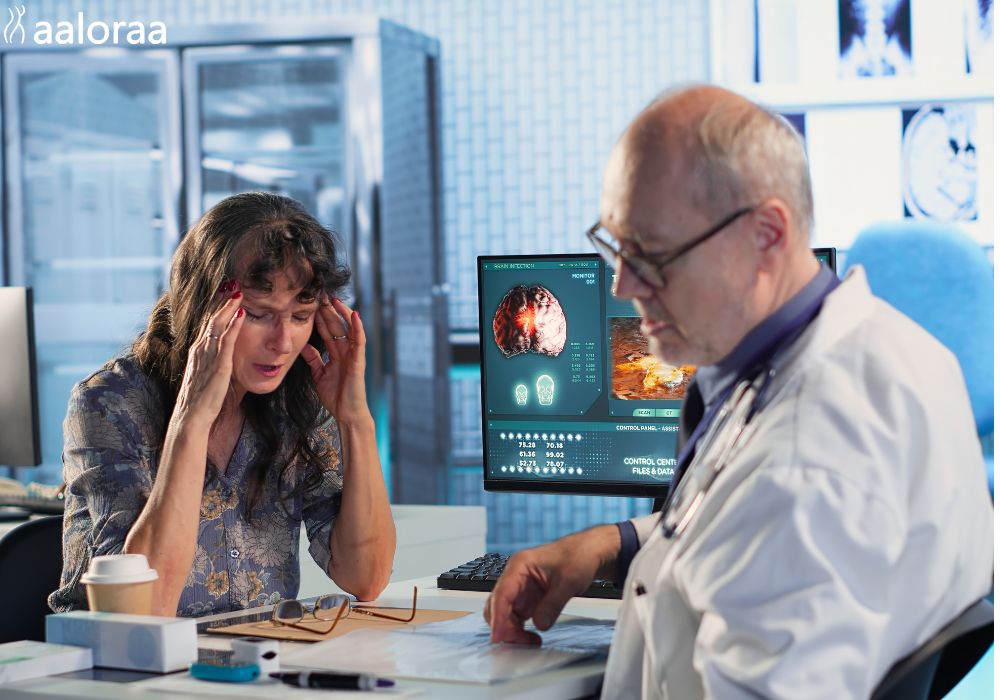
As technology advances, health apps will become more accurate. They will be integrated with healthcare systems. These include personalized AI models and doctor-linked platforms. These may enable faster intervention. It will ultimately lead to truly preventive care. This evolution represents a major shift. It fosters a smarter, more proactive healthcare.
Conclusion
Proactive healthcare is now about apps detecting early signs of sickness. They are redefining personal health management. They detect subtle changes before symptoms appear. This empowers users to take control of their well-being. These apps act as digital health allies when used responsibly. People will no longer chase recovery. Instead, these apps help them stay ahead of illness.

Daniel Barrett
Author
Daniel Barrett is a tech writer focusing on IoT, gadgets, software, and cryptocurrencies. With a keen interest in emerging technologies, Daniel offers expert analysis and commentary on industry trends. Follow him for authoritative insights into the latest tech innovations.
Latest Articles
Popular Articles